➜ Spring & Fall Cleanup
SPRING & FALL CLEANUP IN Ballston Lake, NY
Burning the pile is not an option, because New York prohibits residential brush burning statewide from March 16 through May 14 and bans burning leaves outright. That leaves removal, and Countryside Lawncare handles it twice a year on Ballston Lake, NY properties: leaves and debris off the turf in fall before snow presses them flat, and winter fallout cleared each spring once the ground carries equipment again. Everything collected leaves the property rather than being pushed to the tree line.
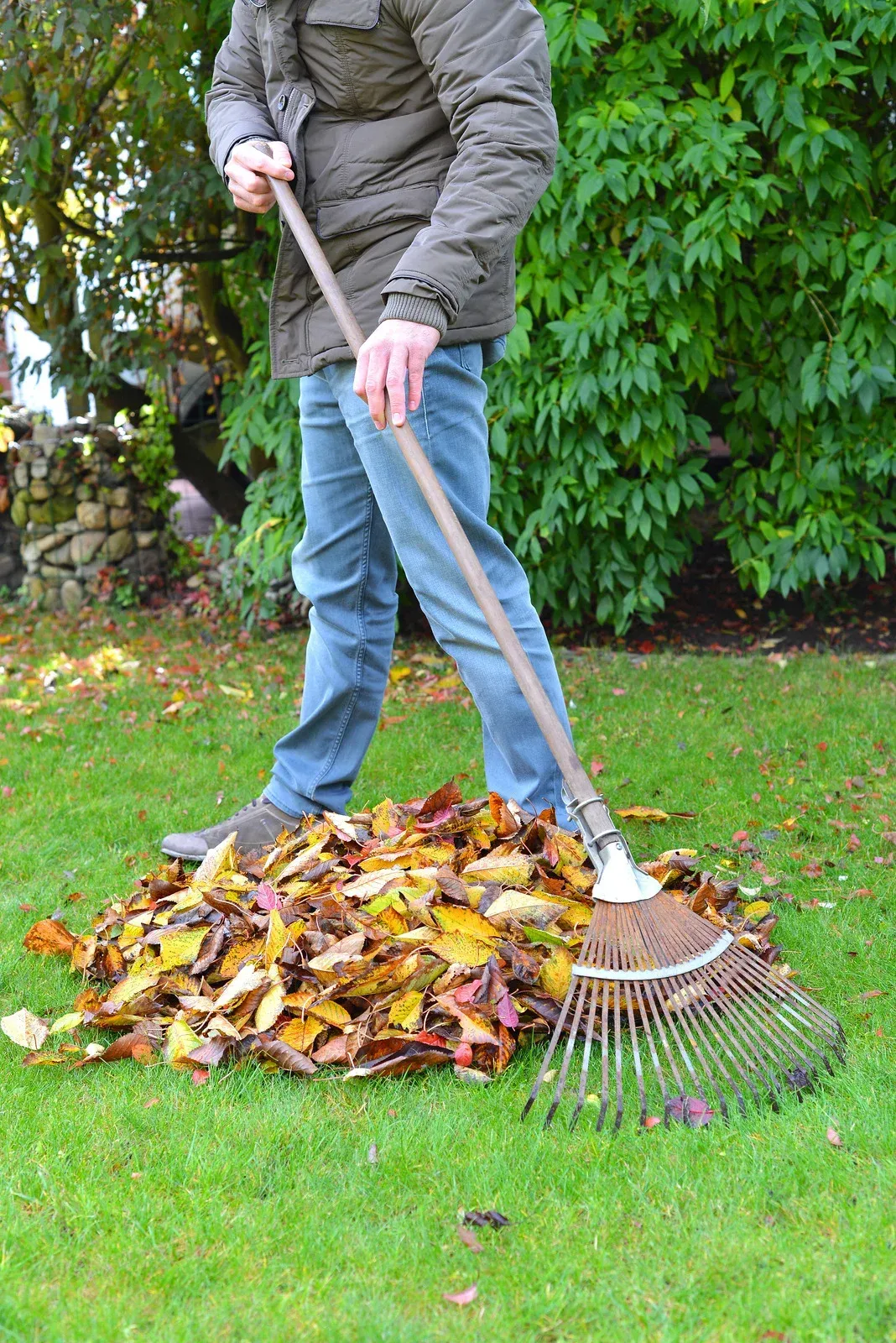
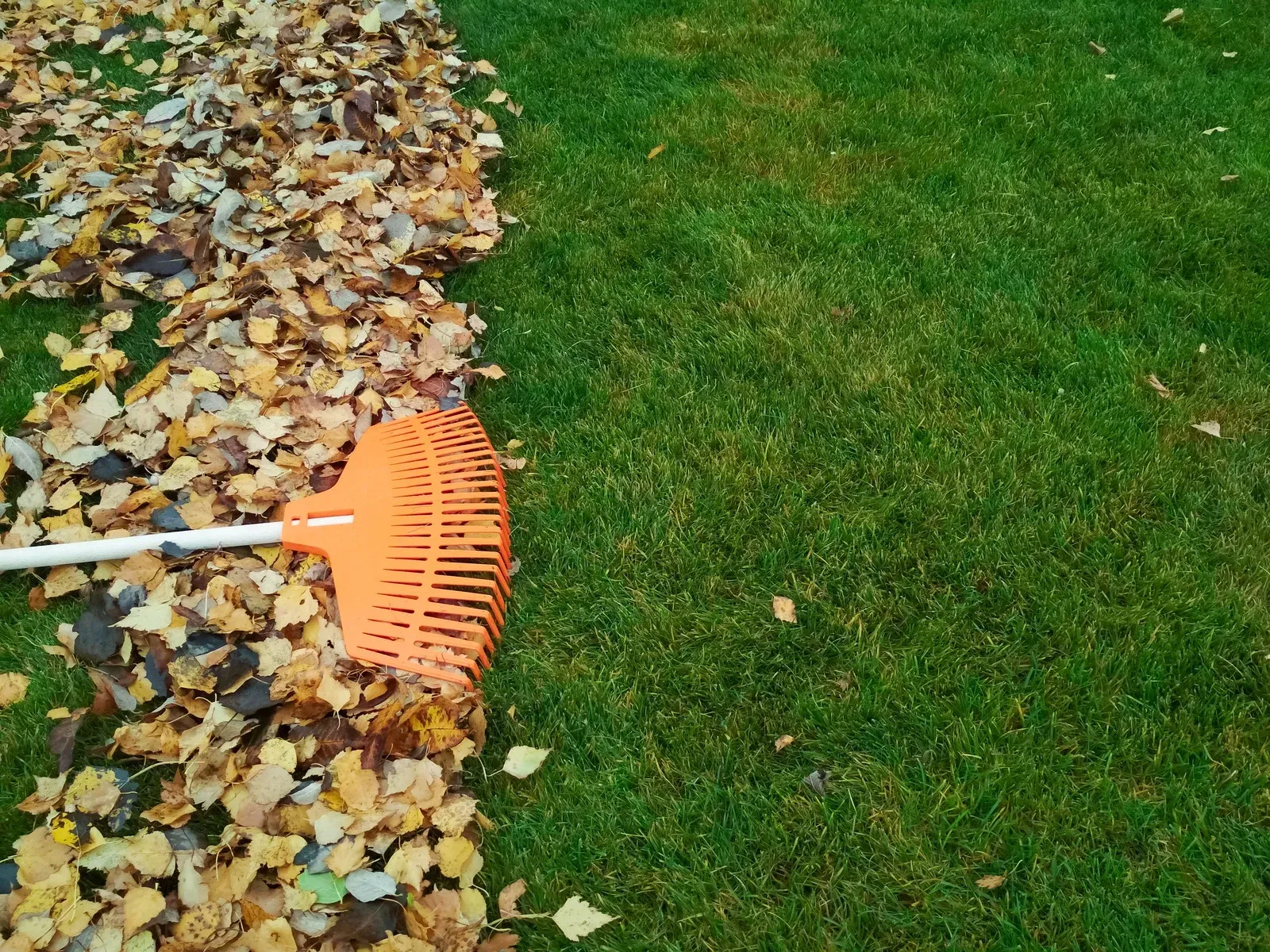
LEAVES LEFT DOWN ALL WINTER COME BACK AS BARE SPOTS.
A wet leaf mat under snow blocks light and traps moisture against the crown of the plant for months. Grass suffocates underneath it, and snow mold finds exactly the conditions it wants. The damage does not appear in November. It appears in April as gray, matted patches that need reseeding while every neighboring lawn is greening up.
One clearing visit in the right week prevents all of it, which is why fall cleanup carries more weight than any other single job on the calendar. It costs less than the reseeding it saves you.
- Leaves and debris removed, not blown to the tree line
- Fall visit timed before the first lasting snow
- Spring visit once the ground carries weight
- Free estimate and nothing to sign
➜ SPRING & FALL CLEANUP
TWO VISITS A YEAR DECIDE HOW THE OTHER 10 MONTHS LOOK.
Cleanup is the highest-leverage work on a lawn calendar. Everything else maintains a condition, but these two visits are what set it. The fall pass decides whether spring starts from healthy turf or from a repair project. The spring pass decides whether the first mow of the season runs clean or grinds its way through a winter's worth of branches, road grit, and matted leaf litter that nobody removed.
LEAF DROP HERE RUNS LATE AND THEN ALL AT ONCE.
With a first frost typically landing between October 1 and 10, the wooded lots common around Ballston Lake hold their canopy well into the month and then drop it over about 2 weeks. That compresses the entire cleanup season into a few weeks, and every lawn company in the area is working the same window. Booking early is the only way to get the timing right.
THE FALL RUSH HAS ITS OWN RHYTHM, AND WE KNOW IT.
October is the tightest stretch of our year. Leaves fall while the last mows are still running, the weather turns without warning, and everybody wants the same Saturday. Running this route for 12 years has taught us how to sequence it: heavily wooded lots later, open lots earlier, and a hard cutoff before the ground freezes. Properties on the schedule get cleared in the right week rather than whenever there is a gap.
WHY CHOOSE US FOR SPRING & FALL CLEANUP.
TIMING THAT ACTUALLY MATTERS
A cleanup done too early gets buried by a second leaf drop, and one done too late leaves a mat under the first snow. We schedule around canopy and forecast rather than convenience, which is the difference between a cleanup and a gesture.
DEBRIS LEAVES THE PROPERTY
Material gets collected and hauled off site, never pushed into the tree line or piled behind the shed where it rots, harbors pests through winter, and washes back across the lawn during the first heavy spring rain.
A HEALTHIER SPRING LAWN
Turf that goes into winter clear of leaf cover comes out of it green rather than gray. You avoid the reseeding, the bare patches, and the slow April recovery that follow a season of matted litter.
FEWER PESTS NEAR THE HOUSE
Damp leaf piles hold moisture and warmth right through the cold months, which draws ticks, rodents, and insects toward the foundation. Clearing them removes the habitat entirely instead of relocating it 20 feet from the back door.
LEGAL DISPOSAL, NO SMOKE
State law rules out burning leaves, and the brush ban runs every spring from March 16 to May 14. Removal keeps you compliant without a trip to the transfer station or a conversation with a fire marshal.
ONE LESS BRUTAL WEEKEND
Raking a wooded lot is genuinely hard work, done in cold weather, usually more than once. Handing it off buys back the two worst yard days of the year for the price of a single visit.
➜ WHAT WE CLEAR
OUR CLEANUP WORK
Six pieces to a seasonal cleanup. Most properties want both the fall and spring passes, though plenty book only the fall one, which is the visit that carries the most weight.
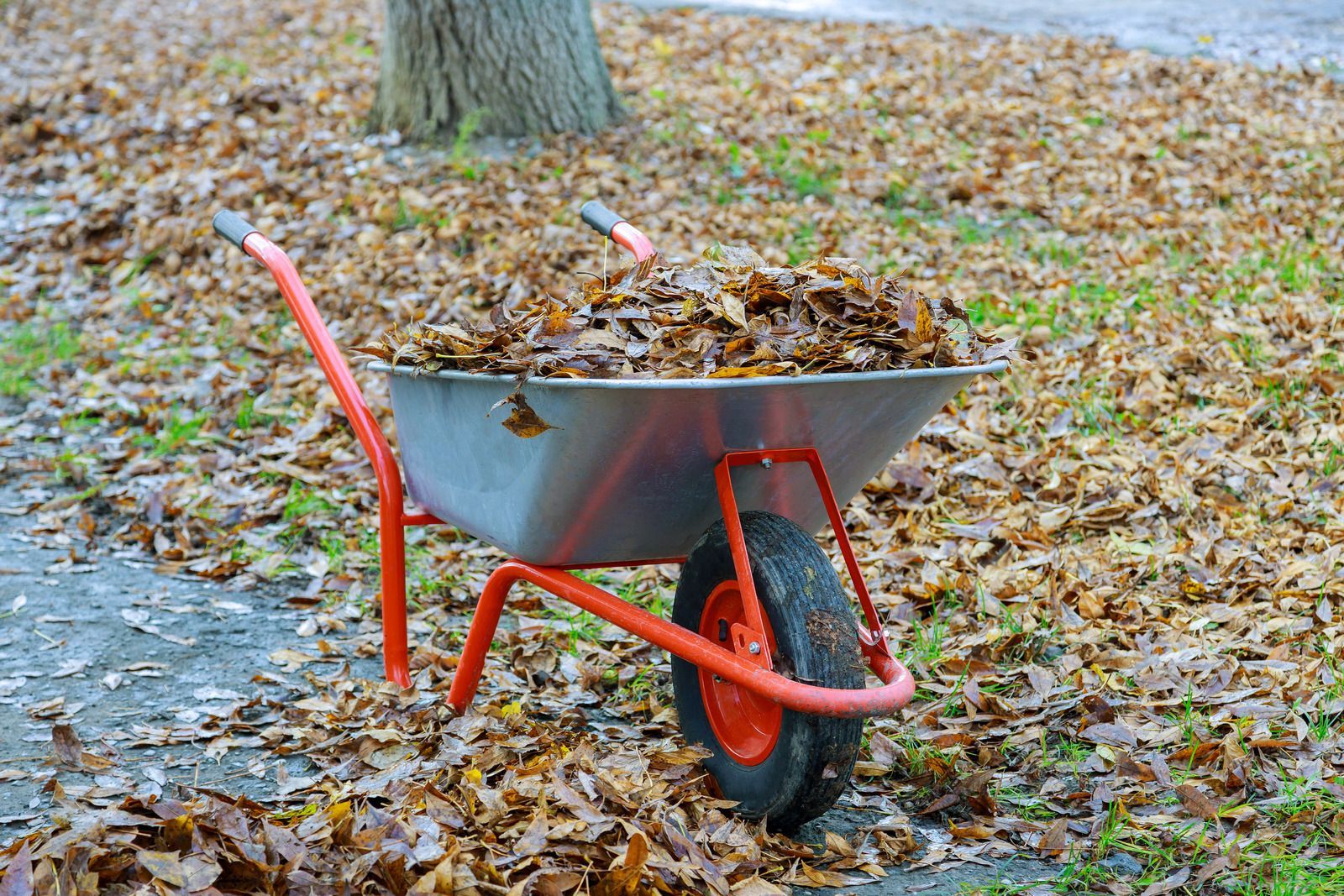
LEAF REMOVAL
Fall Leaf Cleanup
The main event. Leaves come off the turf, out of the corners where wind stacks them, and away from the foundation line, then leave the property entirely. Timing gets set against your tree cover so the visit lands after the canopy is genuinely down.
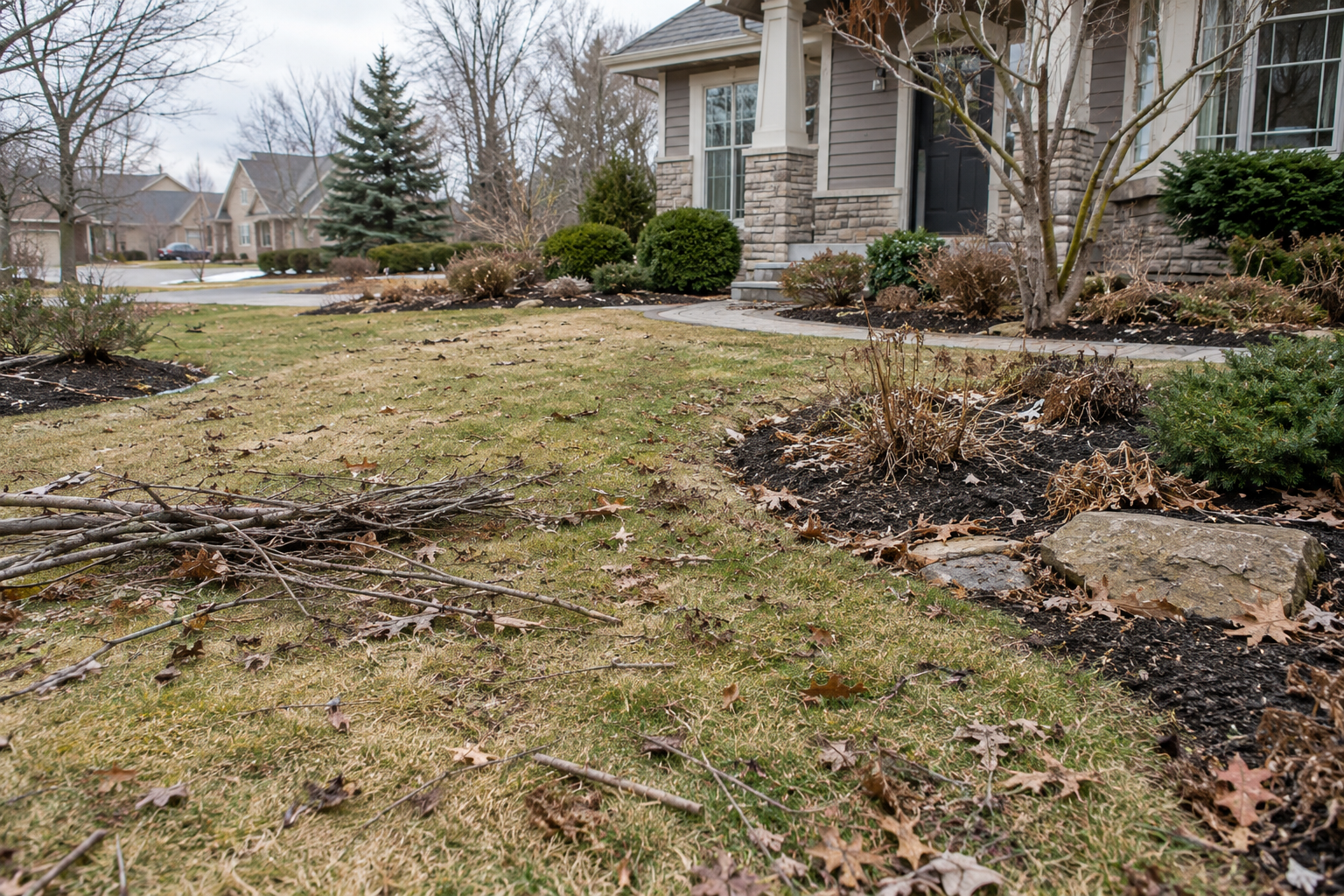
WINTER DAMAGE
Spring Debris Cleanup
Snow melts and leaves behind everything it was hiding: branches, road grit, matted leaf litter and whatever blew in during February. The lawn gets cleared before the first mow of the year, so the mower is not grinding debris down into the turf.
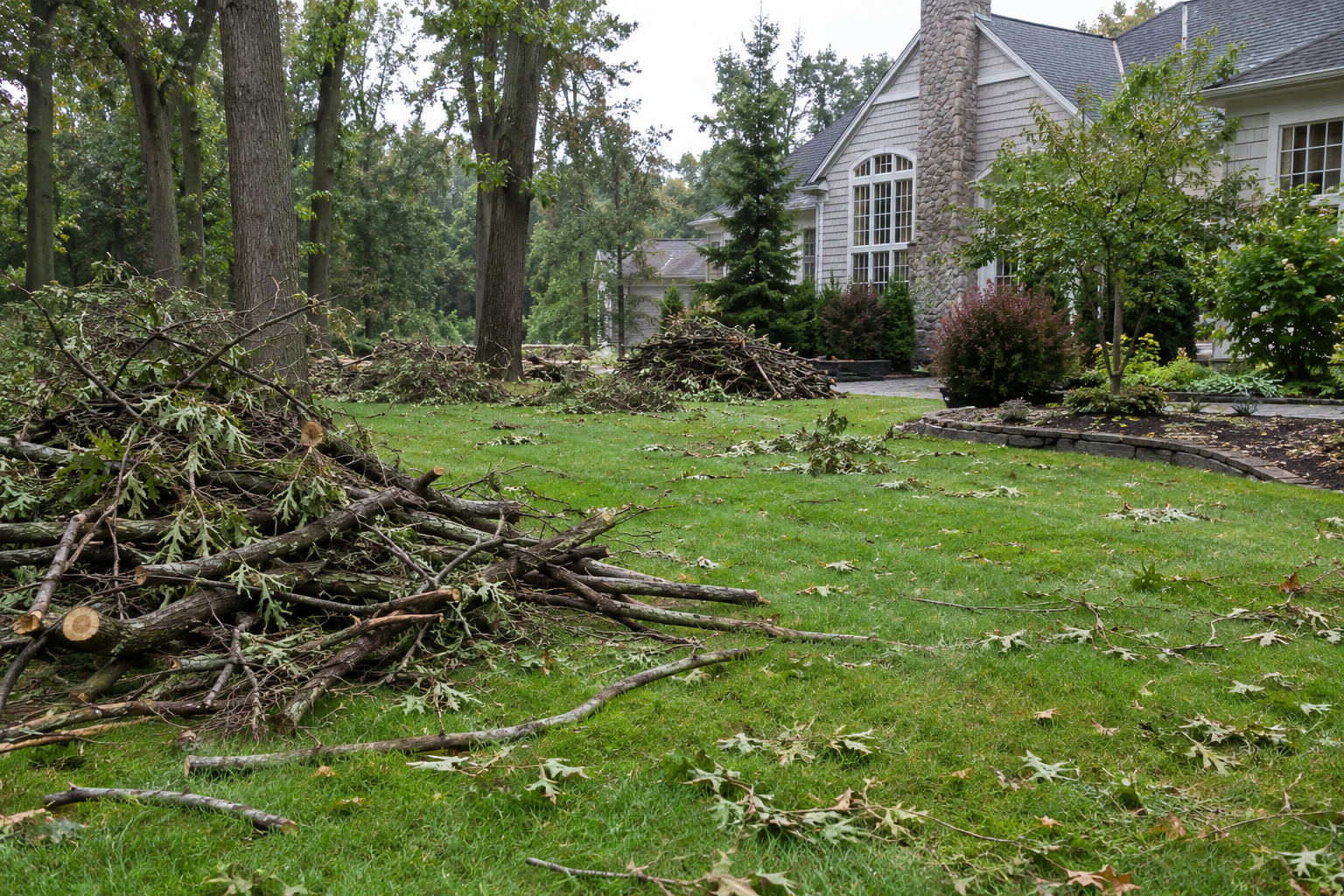
STORM FALLOUT
Stick and Branch Removal
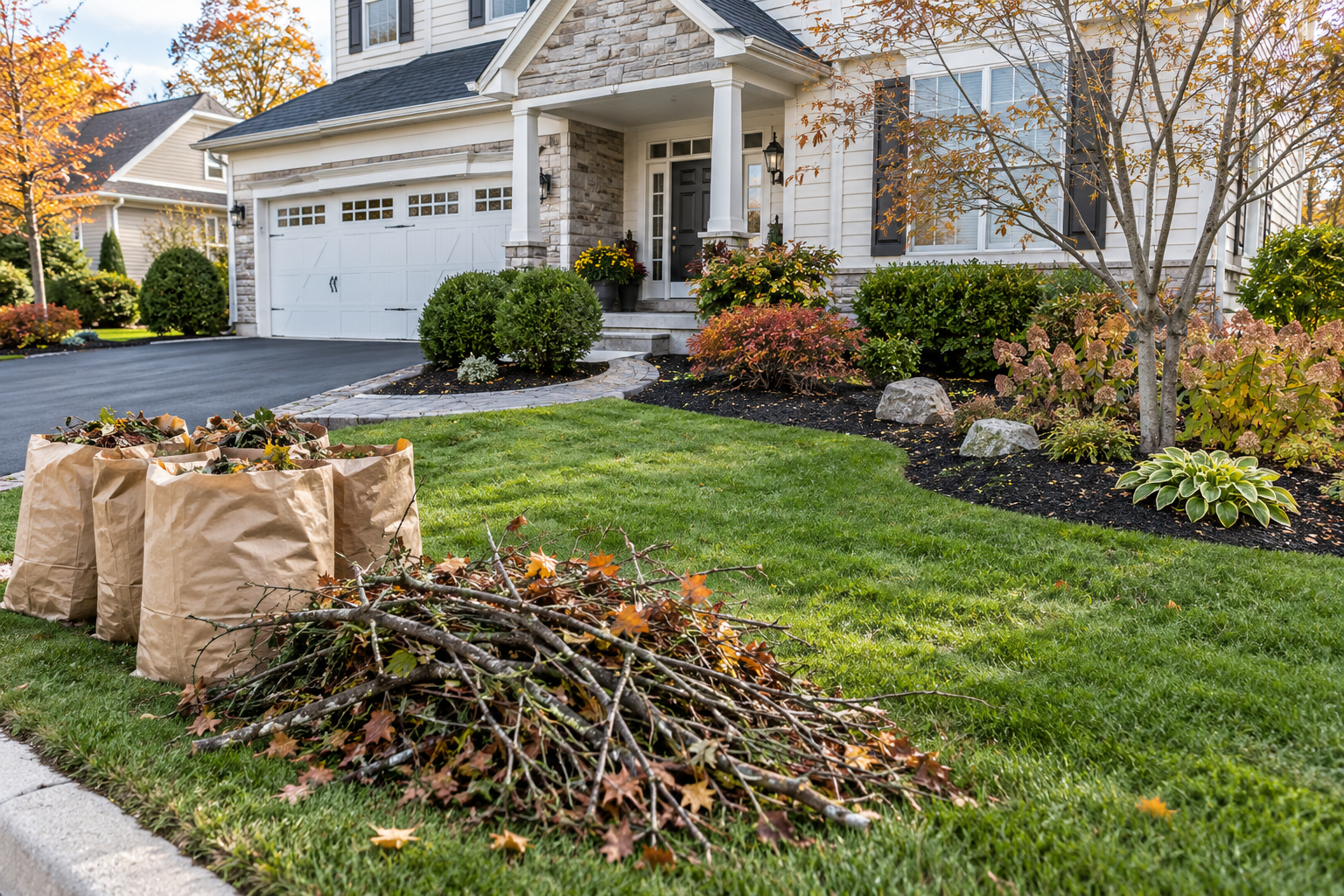
Wind takes limbs down all year long in a wooded neighborhood. Anything sitting on the lawn gets gathered and removed rather than raked aside, which protects the equipment, the turf underneath it, and anyone walking the yard barefoot in July.
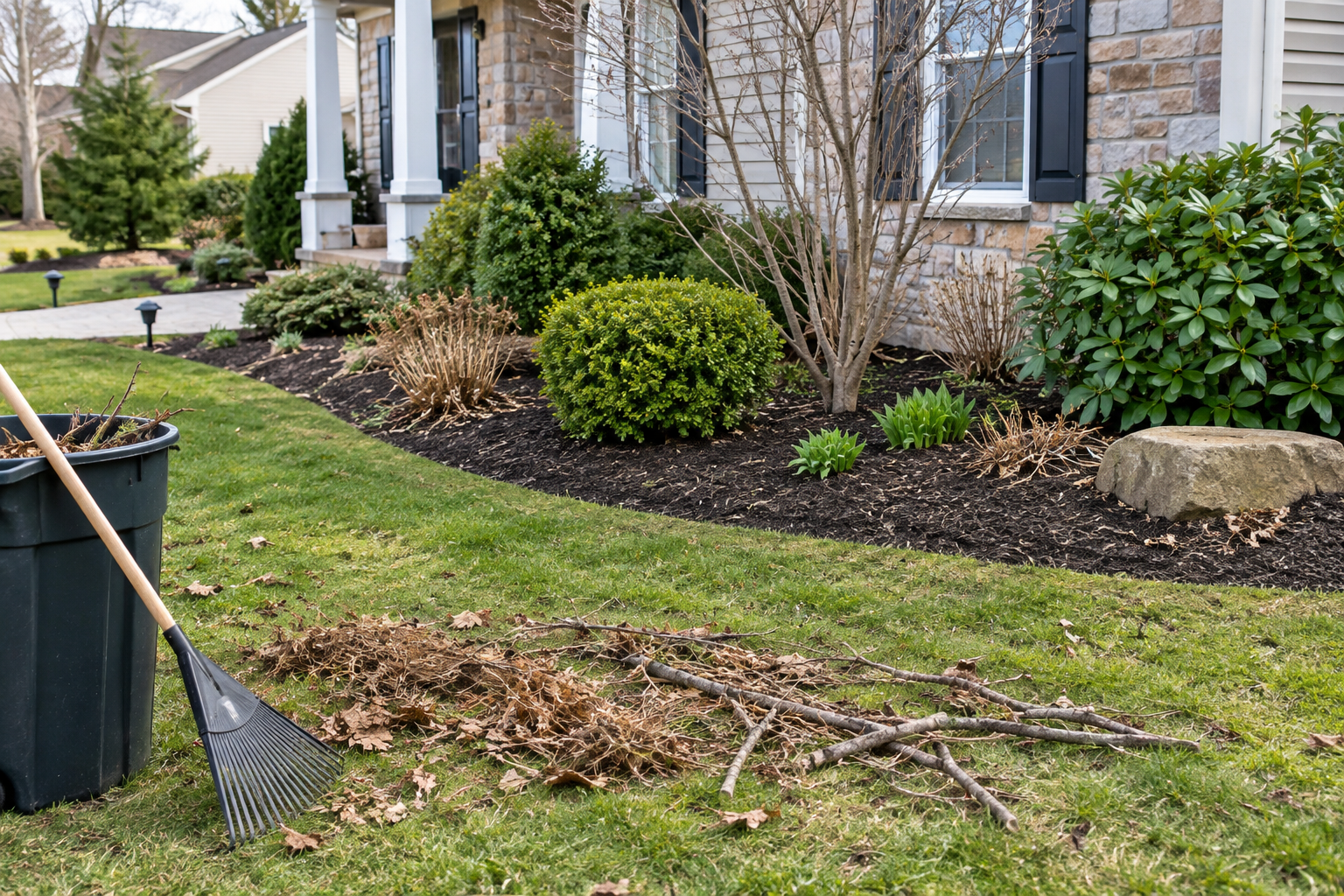
BED WORK
Bed and Border Clearing
Leaves collect deepest against beds, fence lines, and foundation plantings, which is where they hold moisture longest and do the most damage. Those areas get cleared out by hand and blower rather than skipped simply because a mower cannot reach them.
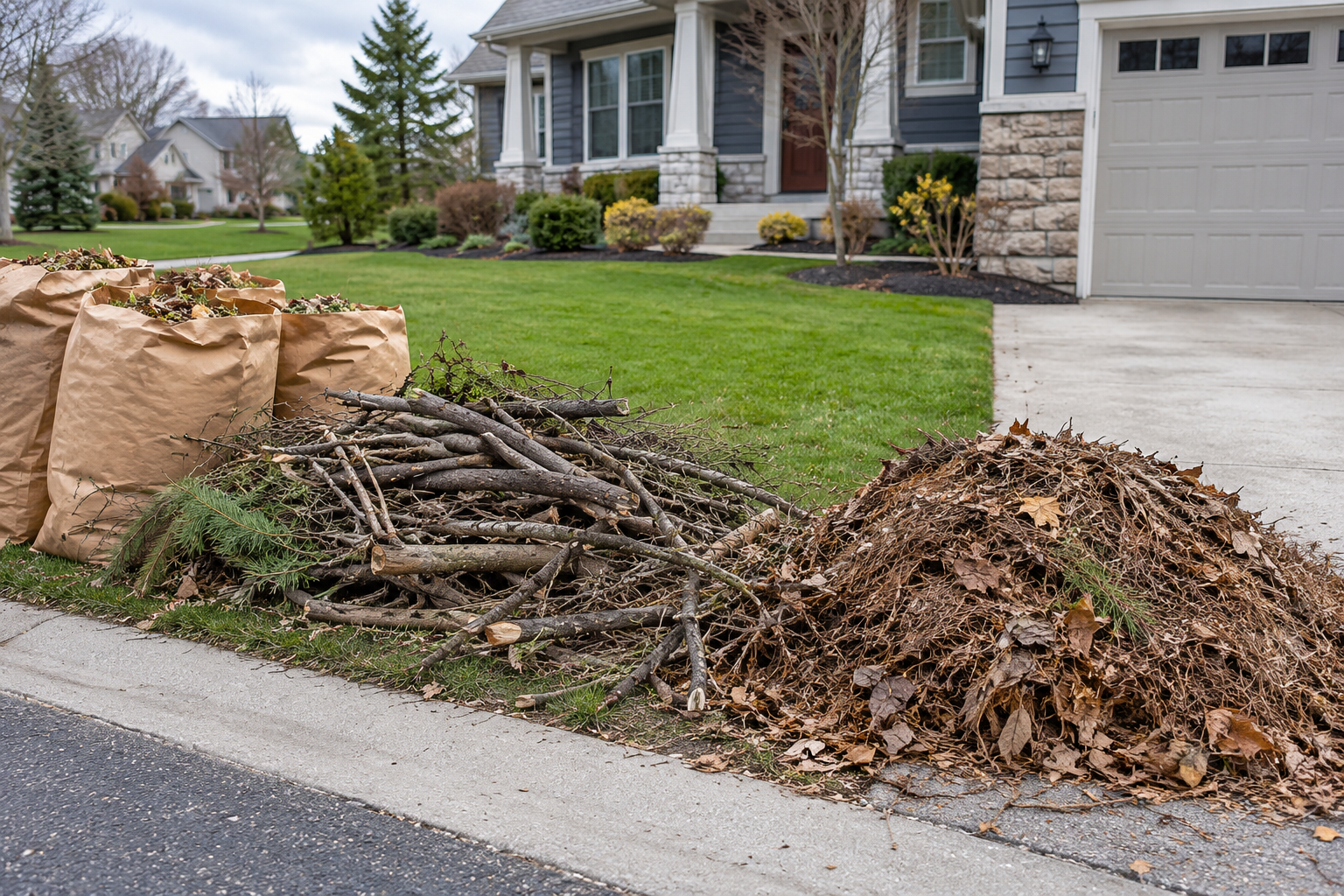
HAUL AWAY
Debris Removal and Disposal
Everything collected leaves with us at the end of the visit. Nothing is stacked at the property line, nothing is bagged and left at the curb for you to deal with, and nothing gets burned, which state law does not permit anyway.
HOA READY
Seasonal Property Tidy-Ups
Association standards tighten in the fall, when visible leaf cover is the most common notice homeowners receive. A scheduled cleanup handles that well before it becomes a letter, and it keeps the property presentable right through the holidays.
➜ THE WORD ON OUR WORK
WHAT OUR CLIENTS SAY.
Cleanup is the service people describe most vividly afterward, usually because they remember what the alternative weekend felt like. Reviews from area homeowners sit on our Google Business Profile, and customers who refer a neighbor earn a discount on their own work.
How much water does a lawn need each week in summer?
Roughly an inch, delivered deeply rather than in daily sprinkles. Deep soaking pushes roots down where soil stays cooler, while frequent shallow watering keeps roots near the surface and makes a lawn more vulnerable to heat.
Is there a law limiting when lawn fertilizer can be applied in New York?
Yes. Under the state Nutrient Runoff Law, lawn fertilizer cannot be applied between December 1 and April 1. It also cannot be spread on driveways or sidewalks, and any spillage has to be swept up rather than hosed off.
Why is phosphorus restricted in New York lawn fertilizer?
Phosphorus running off lawns feeds algae in lakes and streams. State law bars phosphorus lawn fertilizer unless you are establishing a new lawn or a soil test shows a deficiency, so compliant products carry a zero as the middle number.
When is the best time to seed or overseed a lawn in this region?
Cornell Cooperative Extension puts the window at August 15 through September 15. Countryside Lawncare times late-season visits around it on Ballston Lake, NY lawns, because seedlings need warm soil, cool nights, and a long runway before October frost.
Why does grass stop growing in the middle of summer?
Cool-season grasses go dormant when soil heats up. Browning in late July is usually protective rather than fatal, and the lawn greens back up once temperatures fall and rain returns, provided it is not scalped while it is stressed.
When do white grubs do the most damage to a lawn?
Late summer, once eggs laid in early July hatch and the young grubs begin feeding on roots. Damage typically shows as spongy turf that pulls up like carpet, most visibly in August and September.
Does a soil test tell you anything useful?
Quite a lot. It shows pH and nutrient levels, and under New York law a test is the only way to justify applying phosphorus to an established lawn. Extension offices process them and results take about 2 weeks.
What makes Countryside Lawncare the right choice for lawn care in Ballston Lake, NY?
Countryside Lawncare covers every season in Ballston Lake, NY under one schedule, from the first spring cut through winter plowing, and works without contracts. You get a free estimate, a visit rhythm you set, and the freedom to change it.
➜ Common Questions
FREQUENTLY ASKED QUESTIONS.
Seasonal cleanup questions, including when each pass should happen in upstate New York, what the state allows you to do with the pile, and what happens if leaves stay down.
When is the right time for fall cleanup in a wooded yard?
After the canopy is mostly down but before the first lasting snow, which usually means late October into November here. Wooded properties often need the visit later than open lots on the same street.
Can leaves be mowed into the lawn instead of removed?
A light layer can be mulched in place and will break down over winter, returning nutrients to the soil. A heavy drop cannot. Once shredded leaves still cover the grass, they smother it the same way whole ones do.
Is it legal to burn leaves and brush in New York?
Burning leaves is prohibited, and residential brush burning is banned statewide every year from March 16 through May 14. Outside that window, local rules still apply, which is why removal is the simpler route.
What happens if leaves are left on a lawn all winter?
They mat down under snow and block light and air from the crown for months. The usual result is gray, matted snow mold damage in April and bare patches that need reseeding before the lawn looks normal again.
When is it safe to start spring cleanup?
Once the ground has drained and firms up under weight, typically April on Ballston Lake, NY properties. Countryside Lawncare waits for that, because working a saturated lawn ruts the surface and compacts soil more than the debris would.
Do leaf piles attract pests?
Yes. A damp pile holds warmth and moisture through winter, which suits ticks, rodents, snakes, and insects. Piles against a foundation are the most problematic, because they put that habitat directly beside the house.
What should be cleared before the first snowfall?
Leaves off the turf, branches off the lawn, hoses drained and coiled, and furniture moved. Anything left on grass under snow leaves a dead outline of itself when the cover finally melts in March.
What should you expect from a Countryside Lawncare cleanup in Ballston Lake, NY?
Countryside Lawncare has run seasonal cleanups across Ballston Lake, NY for 12 years, timing each visit to the property’s tree cover and hauling everything off site. The estimate is free and there is no contract behind it.
➜ HOW WE WORK
FROM FIRST LEAF TO CLEARED LAWN, HERE IS HOW.
STEP 01
Look at the tree cover
Species and canopy size decide the timing more than the calendar does. Oaks hold on far longer than maples, so two properties a street apart can need cleanup visits 3 weeks apart from each other.
STEP 02
Book the window early
Cleanup demand compresses into a few weeks every October. Properties on the schedule before the rush get the right week. Properties calling during it get whatever gap is left, which is rarely ideal.
STEP 03
Clear the open turf first
Blowers and rakes work the lawn from the edges inward, gathering the bulk of the drop before anything gets moved twice. Working in one direction keeps material from being redistributed across areas already cleared.
STEP 04
Handle the corners and beds
The places where wind stacks leaves deepest are the places that take longest and matter most. Bed edges, fence lines, foundation plantings, and hedge bases all get cleared out by hand and blower.
STEP 05
Haul everything off
Collected material leaves the property. Nothing goes to the tree line, nothing is bagged and abandoned at the curb, and nothing is burned. You get a cleared lawn without inheriting a disposal problem.
STEP 06
Set the lawn up for what comes next
In fall, that means the turf is clear before snow and the final cuts are already at the right height. In spring, it means the property is ready for the season's first mow.
➜ GET YOUR FREE ESTIMATE
BOOK THE CLEANUP BEFORE THE RUSH, AND PRICE IT, FREE.
The good weeks in October fill fastest, and the properties that get cleared at the right moment are the ones booked ahead. Reach us through our contact page and we will look at the lot and quote it.
WHAT YOUR CLEANUP QUOTE COVERS:
- A free walk-through with the tree cover assessed
- Fall and spring passes priced separately
- Leaves, sticks, and branches hauled off site
- Beds, borders and foundation lines included
- A visit window matched to your canopy
- No contract and no obligation to book both